
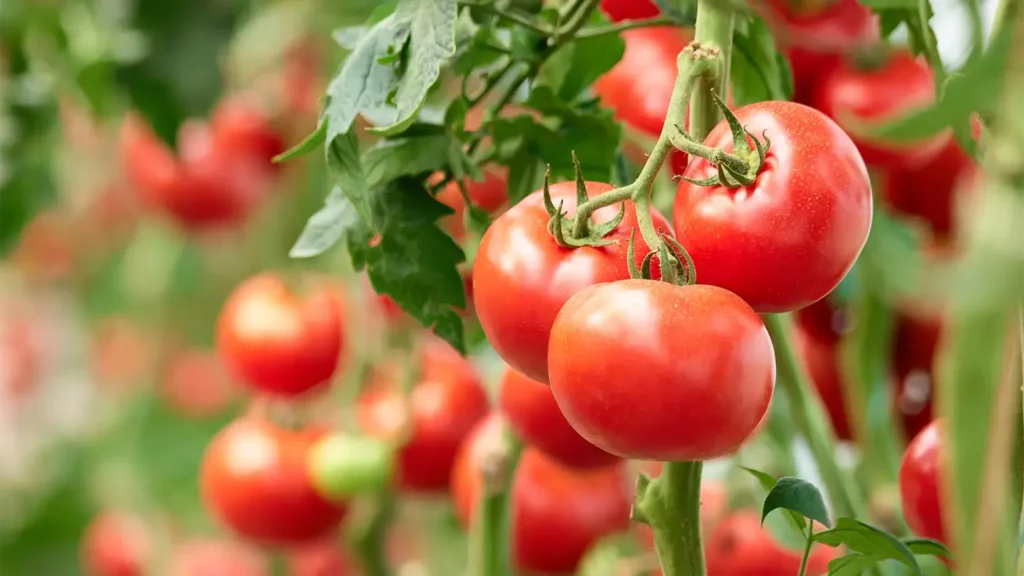
There is nothing quite like the taste of a sun-ripened tomato picked fresh from your own backyard. It is the ultimate reward for home gardeners, but getting an abundant harvest of juicy, sweet fruit does not happen by accident. Tomato plants are heavy feeders with complex nutritional needs. If you want to maximize your crop without relying on harsh chemical synthetics, choosing the best organic fertilizer for tomato plants is the single most important decision you can make for your garden.
At Mil Agro, we believe that feeding your plants should mean building up your soil, not wearing it down. Traditional synthetic fertilizers give plants a quick chemical spike, but they can easily leach away or degrade long-term soil health. Choosing high-quality organic plant food ensures your garden gets a steady, sustainable stream of nutrients while fostering a thriving subterranean ecosystem. Let’s look at what makes a fertilizer work best for tomatoes and how to feed your garden for optimal results.
To choose the right plant food, it helps to understand what a tomato plant actually needs at different stages of its life. Like most crops, tomatoes rely on three primary macronutrients: nitrogen, phosphorus, and potassium. These are represented by the three numbers on any fertilizer package, known as the NPK ratio. However, tomatoes have a distinct feeding pattern compared to leafy greens or root vegetables.
During the early stages of growth, the plant needs nitrogen to build strong stems and lush, green foliage. Once the vine reaches maturity and starts producing yellow blossoms, its priorities shift dramatically. At this stage, excessive nitrogen will actually work against you, causing the plant to produce massive green leaves but very few actual tomatoes. During the flowering and fruiting cycles, the plant demands much higher levels of phosphorus to stimulate blossom development and potassium to ensure uniform fruit size, weight, and flavor.
When you apply a synthetic product, you are feeding the plant directly with highly concentrated, water-soluble salts. This might lead to a sudden burst of green growth, but more than 50% of the nitrogen and 90% of the phosphorus in traditional chemical inputs can end up lost to the surrounding environment through leaching or atmospheric vaporization. This imbalance can also lead to issues like chemical burn or salt buildup in your garden beds.
The two approaches create completely different environments under the surface:
When you choose a premium product from Mil Agro, you are prioritizing long-term soil health. Natural fertilizers rely on soil microorganisms to break down complex organic compounds into a form that roots can absorb. This creates a slow-release mechanism that closely mimics nature. Because the nutrients are tied up in organic matter, they do not wash away during heavy rainstorms or routine watering. Instead, they stay exactly where your plants need them, steadily nourishing your garden over several weeks or months while significantly improving the water-retention capacity of the soil.
If you look closely at the ingredient list of top-tier natural garden amendments, you will notice a blend of nutrient-rich sources. The best organic fertilizer for tomato plants combines multiple ingredients to provide a balanced, full-spectrum meal that satisfies both macro and micronutrient requirements:
Ask any seasoned gardener about their biggest tomato frustration, and they will likely mention blossom end rot. This frustrating condition causes the bottom of your developing fruit to turn black, leathery, and completely ruined. Many gardeners mistakenly assume this is a disease caused by a pest or a fungus, but it is actually a physiological disorder caused by a lack of calcium inside the fruit tissue.
While a lack of calcium in the soil can cause this problem, the issue is often tied to inconsistent watering, which prevents the roots from drawing up nutrients efficiently. Using a well-balanced natural fertilizer ensures that your soil remains rich in organic matter, which naturally acts like a sponge to regulate moisture levels. Adding calcium-rich amendments like bone meal or specialized organic complexes creates a steady buffer of nutrients, ensuring your plants have access to the building blocks they need to construct thick, healthy cell walls and flawless fruit.
Timing is just as important as the quality of the product you choose. To get the absolute most out of your home garden, you should establish a consistent feeding schedule throughout the growing season:
For gardeners looking to learn more about broader, sustainable agriculture and large-scale soil health management, the Sustainable Agriculture Research and Education program offers wonderful, non-commercial guides on managing cover crops and natural fertility systems.
Growing spectacular tomatoes does not require a laboratory full of synthetic chemicals. By working in harmony with your backyard ecosystem and choosing the right natural inputs, you can grow heavy yields of delicious, nutrient-dense fruit. Investing in high-quality soil health pays dividends that you will taste in every single bite at the dinner table. Explore the residential and commercial options available at Mil Agro today, and give your garden the natural foundation it needs to thrive all season long.