
Every gardener knows that the secret to a breathtaking landscape starts beneath the surface. While vibrant blooms and towering stalks are the visible rewards of our labor, the true magic happens in the soil. For those committed to sustainable living, selecting a high-quality organic fertilizer is the most important decision you can make for your backyard ecosystem.
Unlike synthetic alternatives that provide a quick, harsh burst of chemicals, an organic fertilizer works in harmony with nature. It builds soil structure, feeds beneficial microbes, and provides a steady stream of nutrients that results in hardier, more resilient plants. At Mil Agro, we believe that gardening should be a safe, rewarding experience that protects your family, your pets, and the local environment.
When you walk into a garden center, the options can be overwhelming. However, the distinction between synthetic and natural options is clear once you understand how plants digest food. A synthetic product is essentially a lab-created salt. While it may make a plant grow quickly in the short term, it can eventually lead to salt buildup in the soil, killing the very microorganisms that keep your garden alive.
Switching to an organic fertilizer changes the game entirely. Here are just a few reasons why home growers are making the switch:
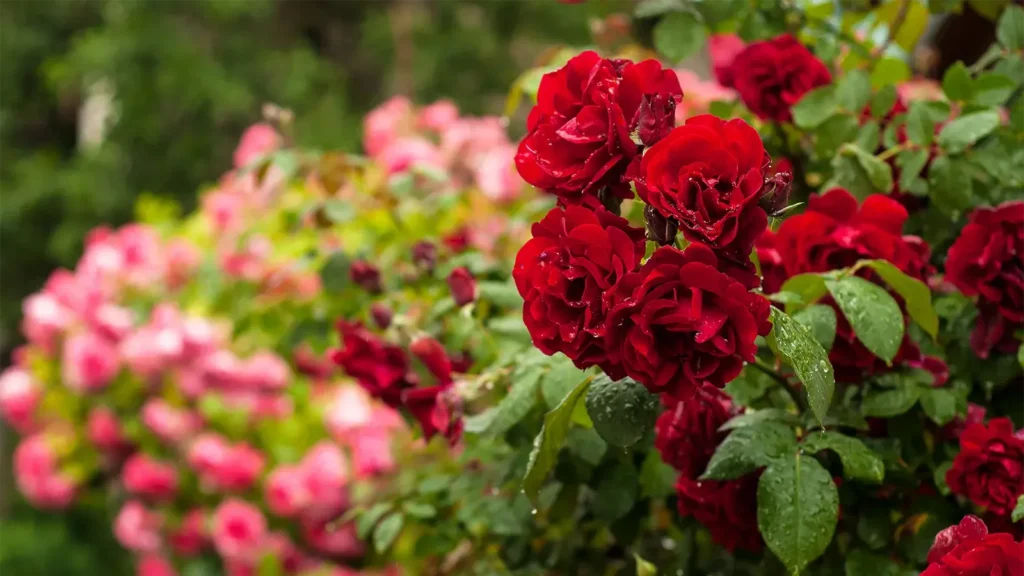
There is perhaps no plant more iconic or more demanding in the home garden than the rose. Known for their elegance and fragrance, roses are also notorious for being heavy feeders. To get those prize-winning blooms and deep green foliage, you need a specialized approach. Using an organic fertilizer specifically for your rose bushes ensures they have the strength to fight off common pests and diseases like black spot or powdery mildew.
Roses require a specific balance of nutrients to produce the energy needed for repeated flowering throughout the season. When you apply an organic fertilizer, you are providing a complex buffet of minerals that are released at a pace the rose can actually handle. This leads to stronger stems that can support heavy blossoms and a root system that can withstand the heat of mid-summer.
Many gardeners find that when they stop using harsh chemicals and move toward an organic fertilizer program, their roses become less targeted by aphids. This is because synthetic nitrogen often creates weak, watery growth that pests love to eat. Natural feeding creates thicker, tougher cell walls that are much harder for insects to penetrate.
At the heart of a successful rose garden is a product designed to provide comprehensive nutrition without the fluff. Mil Agro offers a premier solution known as Organic Balance. This specific organic fertilizer is formulated to be a complete plant food, ensuring that your garden receives primary nutrients like nitrogen and phosphorus.
Once Organic Balance has improved the soil, the next step is to use Multimax Organic to ensure plants receive all necessary trace minerals. This powerful combination provides visible results in as little as three days in the form of greener leaves and a healthier-looking plant.
Organic Balance, paired with Multimax Organic fertilizer, is an ideal choice for home gardeners because it is easy to apply and highly effective. Whether you are prepping a new rose bed or maintaining established bushes, this product works to harmonize the relationship between the plant and the soil. This winning combination is best applied to the soil either as a straight powder watered in, or mixed with water and then applied directly to the soil.
One of the most overlooked aspects of home gardening is the life living under your boots. A single teaspoon of healthy soil contains billions of bacteria, fungi, and other microscopic organisms. These tiny helpers are responsible for breaking down organic matter into a form that plants can use.
When you consistently use an organic fertilizer, you are essentially feeding the workers in your soil factory. This process creates a self-sustaining health cycle.
By choosing an organic fertilizer like those offered by Mil Agro, you are investing in the future of your land. Over time, you will find that you actually need to apply less product as your soil becomes more fertile and self-sufficient.
To see the best results, timing is everything. Roses typically have a few big growth spurts throughout the year, and aligning your feeding schedule with these moments will maximize your success.
Avoid applying any organic fertilizer too late in the fall, as this can encourage new, tender growth that might be damaged by the first frost. Instead, let the plants naturally slow down as winter approaches.
Gardening is a journey of patience and partnership with the earth. At Mil Agro, we are dedicated to providing the tools that make that partnership flourish. Our focus on products like Organic Balance ensures that you don’t have to compromise between effectiveness and environmental safety.
When you choose an organic fertilizer, you are making a statement about the kind of world you want to live in. You are choosing a garden that is a safe haven for pollinators, a healthy playground for your family, and a source of pride for years to come. Whether you are a first-time gardener planting your first shrub or a seasoned rosarian with a hundred bushes, the right nutrition makes all the difference.
Embrace the power of natural growth and watch as your roses reach heights and colors you never thought possible. With the right organic fertilizer, the garden of your dreams is well within reach.